Commercial Moves in Liverpool
If you are planning Commercial Moves in Liverpool, you already know that a business move is very different from a household relocation. Offices, retail units, warehouses, clinics, studios, hospitality venues, and shared workspaces all come with their own challenges, from sensitive equipment and paperwork to tight access, parking restrictions, and the need to keep downtime to a minimum. A well-managed move is not just about lifting boxes; it is about keeping your business organised, protecting assets, and helping your team get back to work as quickly as possible.
Across Liverpool, businesses move for many reasons. Some are expanding and need more room. Others are downsizing, merging, or relocating to better suit staff and customers. In a city with busy districts, varied commercial buildings, and a mix of old and modern premises, the right moving service can make a big difference. Whether you are based in the city centre, the docks, the business parks, or the wider Merseyside area, a local commercial removals team can help you plan the move properly and reduce the stress that often comes with it.
This page is designed for local business owners, managers, office administrators, and facilities teams who need practical information before booking. If you are comparing services, preparing for a relocation, or trying to understand what commercial moving support includes, this local page explains the process in clear terms. Request a free quote or contact us today when you are ready to discuss your move.
Why businesses in Liverpool choose professional commercial movers

Commercial relocation requires coordination. A shop move in Bold Street is not the same as an office move near the waterfront, and neither is comparable to moving stock out of an industrial unit in Speke or a workspace in the Baltic Triangle. Every site has different access points, different building layouts, and different constraints. That is why many local customers look for a team that understands Liverpool’s roads, loading areas, permit considerations, and the practical realities of moving in busy areas.
Professional commercial movers help take pressure off your staff. Instead of asking employees to handle dismantling, lifting, wrapping, and transporting items on top of their normal duties, you can rely on a team that knows how to move desks, filing systems, shelving, IT equipment, and specialist items efficiently. This helps protect productivity and gives you more control over the move timetable.
There is also a safety aspect. Office furniture, archive boxes, printers, display stock, server racks, and workshop equipment can be bulky or awkward to move. Poor handling can lead to damage, delays, or injury. A trained team uses the right methods, equipment, and vehicle planning to reduce those risks. For many businesses, that is the main reason to book commercial removals rather than trying to manage everything in-house.
What is included in commercial moves in Liverpool?

The exact service will depend on your business, your premises, and how much support you need, but most commercial moves in Liverpool include a mix of planning, packing, lifting, transport, and unloading. The goal is to make the move as organised and efficient as possible so that the next stage of your operations can begin without unnecessary disruption.
Typical services may include:
- Pre-move planning to understand building access, timings, and the items being relocated
- Protective packing for furniture, equipment, and fragile stock
- Disassembly and reassembly of desks, tables, shelving, and office furniture where required
- Safe handling of computers, printers, monitors, and other workplace equipment
- Loading and unloading with attention to item condition and placement
- Transport using suitable vehicles for the volume and type of goods
- Placement in the new premises to help your team get set up faster
- Flexible scheduling to help reduce downtime, including out-of-hours or weekend moves where available
Some businesses also need help with archive relocation, stock transfers, internal office reconfiguration, or phased moves. If your business is relocating in stages, or if you need separate transport for equipment and furniture, a flexible removals team can adapt to suit your timetable.
How the moving process works

Understanding the process helps you plan with more confidence. A good commercial removal starts well before moving day. In most cases, the first step is an initial discussion about what you need moved, where it is going, and how quickly you need it done. For businesses in Liverpool, this is especially useful because local access conditions can vary quite a lot from one area to another.
Next comes the survey or assessment stage. This may involve reviewing the amount of furniture and equipment, checking stair access, lifts, loading bays, parking restrictions, and any time limits on the building. In Liverpool city centre, for example, access can be much tighter than in suburban business locations, so detailed planning is essential. The more accurate the assessment, the smoother the move tends to be.
Once the plan is agreed, packing and preparation can begin. Some businesses prefer a full packing service, while others only want help with heavier or more fragile items. On moving day, the team arrives at the agreed time, protects floors and entry points if needed, moves items in an organised sequence, and loads them securely. At the destination, items are unloaded and placed where they are needed, helping the business reopen or restart operations more quickly.
For businesses that need minimal interruption
Some commercial clients need a move completed outside normal trading hours. Others need a phased approach so that essential departments can keep working. Book your service now if you want to discuss a move plan that fits around opening times, staff schedules, and customer appointments.
Types of commercial premises we help move
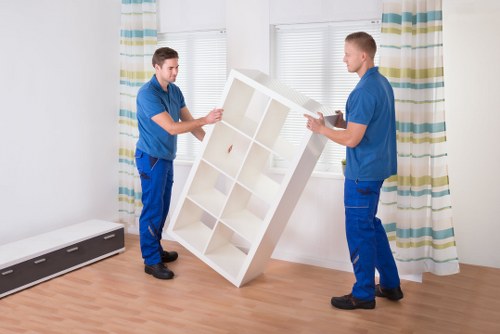
Liverpool has a wide mix of business premises, and each one brings different moving challenges. That is why commercial relocation services need to be adaptable. A move from a modern office suite is usually very different from a relocation out of a converted building, a retail unit, or a storage-heavy workspace. Understanding the type of premises involved helps shape the right plan from the start.
Common commercial property types include:
- Office spaces in shared buildings, business centres, and standalone premises
- Retail units in shopping streets, arcades, and neighbourhood centres
- Hospitality venues such as cafés, bars, restaurants, and event spaces
- Warehouses and industrial units with stock, racking, and operational equipment
- Studios and creative spaces with specialist furniture or equipment
- Clinics and professional practices where careful handling and organisation matter
- Educational and training facilities with desks, resources, and technical equipment
Local knowledge matters because Liverpool includes a wide range of building styles and access conditions. Older properties may have narrow stairways, limited loading options, or restricted lift use. Newer developments may have loading bays, timed access, or building rules that need to be followed. A local team used to moving in Liverpool is more likely to anticipate these issues and plan accordingly.
Working around busy areas and tight access
Areas such as the city centre, the Baltic Triangle, Ropewalks, and parts of the waterfront can be challenging for parking and loading. Meanwhile, locations in areas like Speke, Garston, Aintree, Old Swan, and Kirkby may have different access patterns depending on the building and time of day. A well-planned move reduces waiting time and helps avoid unnecessary disruption.
Preparation checklist for your business move

Preparation is one of the biggest factors in a successful relocation. Even when you hire a professional team, there are still steps your business can take to make the day smoother. Good preparation helps the move stay organised, protects your assets, and reduces the chance of last-minute stress.
Before moving day, it helps to complete the following tasks:
- Identify priority items so the most important equipment and files are moved first or last according to your plan
- Label boxes and furniture by department, floor, room, or function
- Back up digital files and secure any important data before equipment is disconnected
- Notify staff about packing deadlines, access arrangements, and any responsibilities assigned to them
- Clear out unwanted items so you only move what you actually need
- Check parking and access details for both the current and new premises
- Protect confidential paperwork with a clear handling and storage plan
- Measure key furniture if you are moving into a space with tight doors, lifts, or corridors
It is also worth thinking about business continuity. If you can, arrange the move at a time that suits your trading cycle. For some companies, that means moving after closing time or over a weekend. For others, a phased move over several visits may be more practical. The right team will work with your schedule instead of forcing a one-size-fits-all approach.
Pricing factors for commercial moves
Every move is different, so commercial removals are usually priced according to the details of the job rather than a flat, one-size-fits-all figure. If you are requesting a quote, it helps to know what influences the cost so you can provide accurate information and compare services fairly.
Main pricing factors may include:
- Volume of items being moved, including furniture, stock, files, and equipment
- Distance between the old premises and the new location
- Access conditions such as stairs, lifts, narrow entrances, or limited parking
- Timing if the move needs to happen outside standard working hours
- Packing requirements if you need help wrapping, boxing, or labelling
- Special handling for fragile, heavy, or high-value items
- Disassembly work for larger furniture or modular office systems
- Multiple stops if items are going to more than one site
When you request a quote, being clear about the layout of both premises and the types of items involved usually helps produce a more accurate estimate. If your business is relocating in Liverpool and you have limited loading space or awkward access, mention that early. It helps the mover plan the right vehicle size, crew, and timing.
What a sensible quote discussion should cover
A useful quote conversation should feel practical, not rushed. You should be able to talk through what needs moving, what requires extra care, and what times you can allow. The aim is to create a move plan that works for your business, your staff, and your premises.
Why choosing a local Liverpool company helps
There are many benefits to using a local team for commercial moves in Liverpool. Local movers understand the city’s traffic patterns, road layouts, and commercial districts. They are more likely to know which locations can be tricky at certain times of day and how to manage access with less disruption. That can save time and make the move more predictable.
A local company is also more likely to understand the needs of Liverpool businesses. The city has a broad commercial mix, from small independent shops and creative agencies to larger office-based firms, trade businesses, and hospitality operators. A local removals team that works in these settings regularly can adapt the moving plan to suit your type of business, not just your postcode.
There is often a practical advantage too. If you need a site visit, a phased relocation, or a move that has to fit around building schedules and staff availability, a local provider can usually respond more flexibly. That is especially helpful when your business is operating from a busy part of the city or when multiple departments need to move in sequence.
Local knowledge makes a difference
From Liverpool city centre and the docks to South Liverpool, North Liverpool, and surrounding areas across Merseyside, each part of the city can present different logistical challenges. A team that knows the area is in a better position to plan loading, unloading, and timing carefully. That practical knowledge can be worth a great deal on moving day.
Areas covered across Liverpool and nearby
Commercial relocation services are often needed across a wide local area, not just in one district. Businesses may be moving between neighbourhoods, into larger premises, or from the city into surrounding commercial zones. Coverage commonly includes central and suburban locations as well as business parks and industrial estates.
Areas often associated with commercial moving work include:
- Liverpool City Centre
- Ropewalks
- Baltic Triangle
- Waterfront and dockside locations
- Wavertree
- Toxteth
- Allerton
- Speke
- Garston
- Old Swan
- West Derby
- Aintree
- Bootle
- Kirkby
- Southport and wider Merseyside areas where relevant
If your business is just outside the city, it is still worth asking about support. Many commercial customers move between Liverpool and nearby locations, or they relocate between warehouses, offices, and retail points across the region. The best moving support is the one that can work around your actual business footprint.
What businesses can do to protect valuable items
When moving a commercial premises, it is not only about the obvious furniture. Many businesses also need to protect specialist equipment, records, samples, tools, and stock. Good handling is essential, especially if your business depends on expensive or delicate items.
Here are a few smart ways to reduce risk before the move:
- Separate fragile items so they can be packed and handled with extra care
- Remove personal belongings from desks, drawers, and storage areas before packing starts
- Keep important files together and label them clearly for quick retrieval
- Photograph equipment setups if you want help re-creating workstations in the new space
- Disconnect IT equipment properly according to your internal process
- Use secure containers for confidential or high-value materials
For many businesses, the main goal is not simply to move everything from one place to another. It is to arrive at the new site with the operation intact. That is why choosing a team with a careful, organised approach matters so much. If your move includes fragile stock, specialist tools, or electronic equipment, make that clear when you request a quote.
Commercial move types we can help with
Not all moves look the same. Some businesses need a full relocation, while others only need help with part of the operation. A flexible service can be useful if your business is growing, changing, or working from more than one site at a time.
Examples of common commercial moves
- Full office relocations from one building to another
- Internal office moves within the same premises
- Retail relocations involving stock, display fixtures, and shop furniture
- Warehouse transfers for stock, racking, and equipment
- Phased business moves where departments relocate over time
- Start-up office setups for new businesses moving into their first space
- Expansion moves when a growing business needs more room
- Downsizing relocations where only selected assets are kept
Whether your move is small or large, the principles are the same: plan properly, protect your items, keep communication clear, and choose a team that understands business needs. That approach is especially useful in Liverpool, where access and timing can vary from one commercial site to another.
How to choose the right moving team
When you are comparing providers for commercial removals, it helps to focus on practical points rather than just the headline promise. You want a team that listens to what your business actually needs and is prepared to work around the details of your move.
Look for a company that can discuss:
- Experience with commercial moves in Liverpool and surrounding areas
- Understanding of office, retail, warehouse, and mixed-use relocations
- Ability to handle access challenges and tight schedules
- Flexible planning for after-hours or weekend moves
- Clear explanation of what is included in the service
- Willingness to tailor support to your business size and premises
It is also helpful to choose a mover that communicates clearly before the job starts. A good moving plan should reduce uncertainty, not add to it. If you are managing a relocation for a team, that clarity can make a real difference to staff confidence and business continuity.
Questions worth asking before you book
How will the move be planned? What support is available for packing or dismantling? Can the move be scheduled around business hours? These questions help you understand whether the service is a good fit for your premises and timetable.
Frequently asked questions
The questions below reflect what local customers often want to know before arranging a business relocation. If you are preparing for a move, these answers should help you plan with greater confidence.
How far in advance should I book a commercial move?
It is best to arrange the move as early as possible, especially if your business has a firm deadline, limited access, or a large amount of equipment. Early planning gives you more choice over dates and more time to prepare staff and premises.
Can you help with both small offices and larger premises?
Yes. Commercial removals can be scaled to suit a single office, a multi-room workspace, a retail unit, or a larger business property. The important thing is to provide accurate information about what needs moving.
Do commercial moves include packing?
Many businesses choose either full packing support or partial packing for fragile and high-value items. If you prefer to pack some items in-house, that can often be arranged as part of a tailored service.
What if our building has poor access or no easy parking?
That is common in parts of Liverpool, particularly in busier districts. A local team can plan around restricted access, loading bays, stairs, lifts, and parking limitations. Be sure to mention these details when you enquire.
Can the move be done outside working hours?
Depending on availability and your specific requirements, out-of-hours or weekend scheduling may be possible. This can be especially useful for customer-facing businesses or offices that want to avoid interrupting the working day.
What should we do with confidential documents?
Confidential documents should be sorted and secured before the move. Many businesses create a separate handling plan for files, records, and sensitive materials so they remain organised and protected.
Ready to arrange your commercial relocation?
If you are planning a move and want it handled in a way that feels organised, careful, and suited to Liverpool’s local conditions, now is the time to start the conversation. A proper discussion helps identify the right crew size, timing, packing support, and vehicle arrangements for your business.
Whether you are relocating a small office, moving a retail unit, or transferring equipment between business premises, the right support can save time and reduce pressure on your staff. From the first assessment through to unloading at the new site, the aim is to keep your business moving with as little disruption as possible.
Contact us today to discuss your requirements, request a free quote, or book your service now if you are ready to plan a move that works for your business.